


⚡ TL;DR: This roadmap guides Baltimore homeowners through essential roof maintenance steps—from pre-winter assessments and cleaning to winter monitoring—to withstand tough winters effectively.
📋 What You’ll Learn
In this roadmap for Baltimore's tough winters, you'll learn key steps to assess, clean, fortify, and monitor your roof against ice dams, heavy snow, freeze-thaw cycles, and fierce Nor'easters.
- Assess your roof's pre-winter condition to spot cracks, missing shingles, or weak spots early, preventing costly winter damage and ensuring structural integrity before the first snowfall hits.
- Master essential fall cleaning routines for gutters, debris removal, and drainage systems, avoiding water backups that lead to leaks, ice buildup, and roof failure in cold months.
- Fortify against ice dams and freeze-thaw with insulation, ventilation upgrades, and edge protection, safeguarding your home from destructive cycles common in Baltimore's variable winter weather.
- Implement wind-resistant upgrades for Nor'easters like secure flashing, reinforced ridges, and bracing, helping rowhomes and older structures withstand high winds without losing shingles or sections.
📖 Reading time: 7 min
✍️ Author expertise: Baltimore roofer with 20 years of field experience repairing winter-damaged rowhomes and historic properties.
Ever wake up to a steady drip from your ceiling after Baltimore's first brutal nor'easter dumps a foot of snow overnight?
That sick feeling hits hard—your roof's battling ice dams, wind-whipped shingles flying off, and freeze-thaw cycles cracking everything in sight.
But it doesn't have to end in a $20,000 emergency replacement if you follow this dead-simple roadmap built for our city's punishing winters.
Let's dive into the steps that keep Baltimore roofs standing strong through it all.

Assess Your Roof's Pre-Winter Condition
Grab a ladder and binoculars this September. Before Baltimore's first frost hits, climb up and scan every inch of your roof. Spot loose shingles or cracked flashing now, and you dodge a disaster later.
Focus on high-risk zones first.
- Chimney and vents: Check for gaps where water sneaks in.
- Ridge line and valleys: These battlegrounds crack under freeze-thaw stress.
- Edges near gutters: Wind strips them bare during nor'easters.
Head inside next. Peek in your attic with a flashlight. Look for daylight through the roof deck or wet insulation spots signaling trouble brewing.
Found issues? Snap photos and call a local pro. A quick patch beats a mid-winter cave-in every time.
Essential Fall Cleaning: Gutters, Debris, and Drainage
Start here before the first frost hits. Clogged gutters turn into ice-clogged nightmares by December. In Baltimore, fall leaves pile up fast, blocking water flow and setting the stage for leaks.
Clear Gutters Like Your Roof Depends On It
- Grab a ladder and scoop out leaves, twigs, and gunk every two weeks through November.
- Flush with a hose to test flow. Water should rush straight downspouts, no backups.
- Install gutter guards if you're tired of repeats. They pay for themselves by dodging ice dam disasters.
Don't stop at gutters. Shake off roof debris too. Wet leaves stuck on shingles trap moisture, fueling mold and rot under the freeze-thaw assault.
Quick sweep with a roof rake from the ground. Check valleys and edges where junk hides. Proper drainage now means your roof shrugs off winter's worst punches.

Fortify Against Ice Dams and Freeze-Thaw Cycles
Baltimore winters hit roofs hard with ice dams. Warm attic air melts snow on the underside. That water refreezes at the eaves, backing up under shingles and leaking inside.
Stop Ice Dams Cold
- Boost attic ventilation first. Add ridge vents or soffit vents to let hot air escape.
- Insulate the attic floor properly. Aim for R-49 in our zone to keep heat from rising.
- Install heat cables along the edges. Self-regulating ones turn on only when needed, no fuss.
Freeze-thaw cycles crack shingles like crazy here. Daytime thaws, nighttime freezes, repeat. Your roof turns brittle fast without protection.
Seal gaps around chimneys and vents with high-heat caulk. Replace any cracked flashing now, before the first freeze. Skip this, and water sneaks in, rotting sheathing underneath.
Wind-Resistant Upgrades for Nor'easters
Baltimore Nor'easters don't mess around. They slam gusts up to 60 mph, ripping shingles loose and turning your roof into a patchwork quilt overnight.
Skip the panic. Simple upgrades lock everything down tight.
Quick Wins That Hold Up
- Seal the edges: Apply roofing cement under loose shingle tabs. It grips like glue against howling winds.
- Upgrade fasteners: Swap weak nails for 6-inch ring-shank nails or wind clips. These babies won't budge.
- Reinforce the ridge: Install laminated ridge caps rated for 110 mph winds. No more caps flying off mid-storm.
Don't forget the overhangs. Check soffits and fascia for rot, then brace them solid.
Tree branches scraping your roof? Trim 'em back now. One rogue limb in a gale spells disaster.
Pro roofers in Baltimore swear by these moves. They turn vulnerable spots into fortresses.
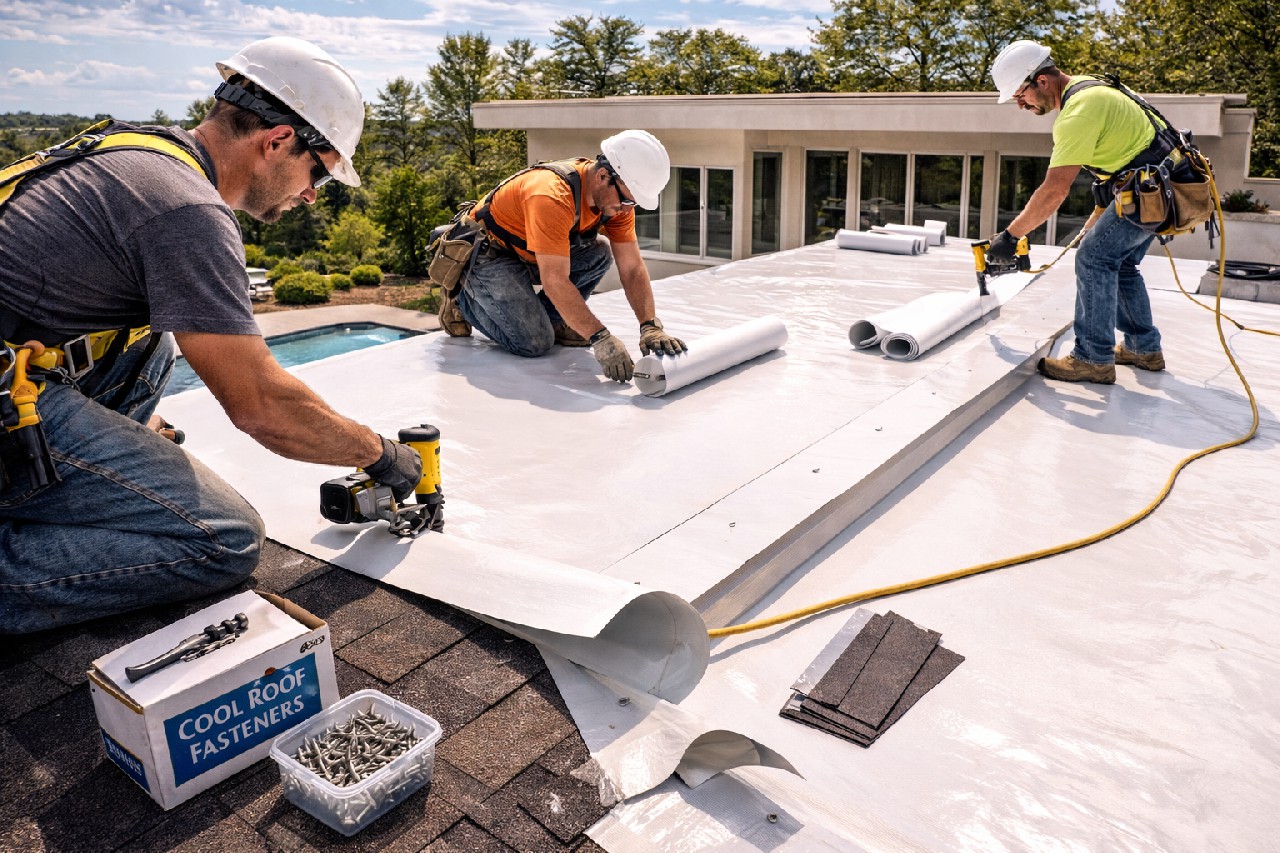
Mid-Winter Monitoring and Quick Fixes
Winter hits Baltimore hard. Snow piles up. Winds howl through Fells Point. You can't ignore your roof now.
Check it after every storm. Climb a ladder if safe, or use binoculars from the ground. Spot trouble early, and you dodge disaster.
Spot These Red Flags Fast
- Ice dams bulging along the eaves – they trap meltwater and wreck your gutters.
- Missing or curling shingles from gusts over 50 mph.
- Sagging spots screaming structural weakness.
- Water stains inside? That's your cue to act now.
Quick fixes keep you dry till spring. Clear heavy snow buildup with a roof rake – never your shovel. For small leaks, slap on roof cement under loose shingles.
Seal cracks around vents with silicone caulk. But here's the kicker: if damage looks bad, stop DIY. Call us for a pro inspection before the next freeze wrecks everything.
Case Study: Rescuing a Canton Rowhome from Winter Collapse
Picture this: Mike in Canton spots sagging gutters and loose shingles on his 100-year-old rowhome right before the big freeze hit last January.
Ice dams formed fast. Water pooled under shingles, pushing them up and threatening the whole structure.
The Mid-Winter Panic Call
Mike called us after spotting cracks in his ceiling plaster. A nor'easter had just dumped 18 inches of heavy, wet snow.
His roof was groaning under the weight. One wrong gust, and it could've caved in.
- Step 1: We assessed damage from the ground first—no risky climbs in the storm.
- Step 2: Cleared gutters remotely with heated tools to melt ice buildup.
- Step 3: Applied emergency ice dam bands and reinforced weak spots with wind clips.
By monitoring daily via drone inspections, we caught a slipping ridge vent early. Quick fix with temporary bracing saved the day.
Mike's roof held through three more storms. Total cost? Under $2,500 versus a full tear-off at $25,000.
Final Thoughts
Baltimore winters hit like a freight train. But with this roadmap, your roof stays ahead of the chaos. Skip the panic calls at 2 a.m.
Make pre-winter checks your annual ritual. Spot issues early, fix 'em cheap, and dodge those nightmare repair bills. Your wallet – and sanity – will thank you.
Quick Action Steps
- Schedule a pro inspection now. Don't wait for the first freeze.
- Grab our free Roof Maintenance checklist below.
- Call us for tough jobs. We're Baltimore locals who get these winters.
Stick to these moves. Your roof endures. You sleep sound.
People Also Ask
How do I prepare my roof for Baltimore's winter weather?
Start by inspecting your roof for damaged shingles, cracks, or loose flashing before the first frost hits. Clean gutters thoroughly and trim overhanging branches to prevent debris buildup and ice dams. Schedule a professional inspection from a local Baltimore roofing expert to catch hidden issues early.
What causes ice dams on roofs and how can I prevent them?
Ice dams form when snow melts from a warm roof then refreezes in gutters, creating backups that damage shingles and leak into your home. Prevent them by improving attic insulation and ventilation to keep heat from escaping, and use heat cables on vulnerable edges. In Baltimore's freeze-thaw cycles, regular maintenance like ours ensures your roof stays protected.
When should I clean my gutters before winter in Baltimore?
Clean gutters in early fall, ideally September or October, before leaves peak and snow arrives. This prevents clogs that lead to water damage and ice buildup during tough winters. Our Baltimore team recommends twice-yearly cleanings for optimal drainage.
How can I make my roof more wind-resistant for Nor'easters?
Secure loose shingles, reinforce ridge vents, and install wind clips or seals on edges to withstand gusts over 50 mph common in Baltimore Nor'easters. Upgrade to impact-resistant materials if your roof is aging. Consult a certified Baltimore roofer for personalized upgrades that meet local codes.
What should I monitor on my roof during Baltimore winters?
Watch for missing shingles, icicle buildup, or soft spots indicating leaks after heavy snow or thaw. Perform safe visual checks from the ground weekly, avoiding climbing on icy surfaces. Contact professionals immediately for mid-winter repairs to avoid escalation.

Baltimore Roofing provides roofing services to homes and businesses across Baltimore, MD. With extensive experience in installations, repairs, and maintenance, the team addresses residential and commercial needs. Their local focus incorporates Baltimore's climate and architectural demands.
Need Roofing?
Quickly deliver leak-proof, storm-resistant roofs to protect homes in Baltimore, MD and nearby areas (21201, 21202, 21218, 21224, 21236).
Get Roof Estimate